About Gate Valve
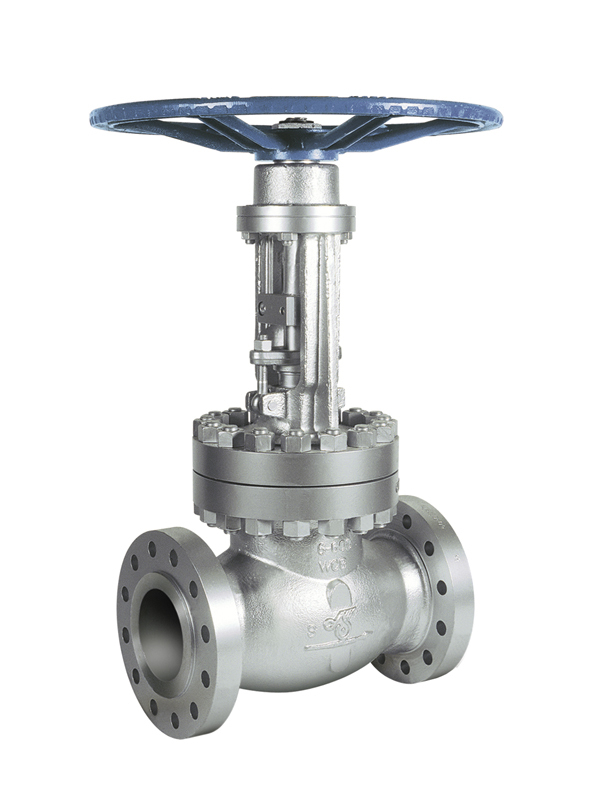
A gate valve is a sliding type of Boiler valve. In the gate valve, the closure membrane is a metal gate. A gate valve is a type of valve that uses a gate, or wedge, to control the flow of fluid. The gate is a flat plate that is attached to a stem. When the stem is turned, the gate moves up or down, blocking or allowing the flow of fluid.
These gates slide down to close the valve. The flow area is equal to the area of the pipe in fully open condition which results in negligible pressure drop across the valve.
These valves are usually used in on/off conditions. In partially open conditions due to vibrations, the valve is exposed to quick wear and tear. These valves find their use in the petrochemical industry due to the fact that they can work with metal-metal sealing.
Versatile Material & Design OptionsChoose from high-quality materials such as cast iron, ductile iron, carbon steel, and stainless steel, ensuring durability and compatibility with a broad spectrum of fluids and operating conditions. Bonnet types include bolted, screwed, and pressure sealed, with a selection of metal-to-metal or rubber seals and both rising and non-rising stem designs available for tailored functionality.
Certified Standards & Extensive ApplicationsGate valves comply with international standards including ASME B16.10, EN 558 (face to face), and ASME B16.5, BS4504 (end connection). Designed for bi-directional flow and available in sizes DN15 to DN600, they are suited for water treatment plants, oil refineries, petrochemical plants, and power stations, where safety, reliability, and versatility are crucial.
Reliable Operation & Easy MaintenanceWith options for manual, electric actuator, or gear-operated control and a choice of handwheel materials, these valves ensure ease of operation. The renewable gland packing and robust epoxied or galvanized coating provide longevity and resistance to harsh environments, making maintenance straightforward and extending service life.
FAQ's of Gate Valve:
Q: How does a gate valve control fluid flow in industrial systems?
A: A gate valve operates by raising or lowering a gate or wedge inside the valve body, effectively allowing or stopping flow. When fully open, the gate is completely moved out of the flow path, minimizing pressure drop. This design provides a bi-directional shutoff, making it suitable for a wide range of industrial applications.
Q: What materials are available for these gate valves, and how do I select the right one?
A: Gate valves are offered in cast iron, ductile iron, carbon steel, stainless steel, and bronze. Selection should be based on the fluid type (such as water, oil, gas, or steam), operating pressure, temperature, and desired corrosion resistance. For aggressive or corrosive media, opt for stainless steel or bronze; for water and general industrial use, cast or ductile iron may suffice.
Q: When should I consider using a pressure-sealed bonnet gate valve?
A: Pressure-sealed bonnet types are best used in high-pressure environments, such as power plants or steam systems, to ensure enhanced sealing and safety. This design is typically employed for pressure classes 300 or 600, where leak prevention at elevated pressures is critical.
Q: Where can these gate valves be installed, and what are the compatible mounting positions?
A: These valves are suitable for horizontal and vertical pipelines. They are widely used in industries such as water treatment plants, oil refineries, petrochemical facilities, and power plants, providing flexibility in system design and installation.
Q: What is the typical process for installing and maintaining these gate valves?
A: Installation requires correct alignment with flanged, screwed, or socket-welded pipe ends per ASME B16.5 or BS4504 standards. For maintenance, periodically inspect the gland packing, handwheel, and sealing surfaces. The renewable gland packing allows for in-situ replacement, extending the valve's operational life with minimal downtime.
Q: How does the gate valve's epoxy or galvanized coating benefit its service life?
A: Epoxy painted and galvanized finishes protect the valve body from corrosion caused by harsh media or environmental conditions. This extends the valve's durability, ensures performance reliability, and reduces frequent maintenance, especially in water, steam, and chemical service applications.
Q: What are the key advantages of using this gate valve in my facility?
A: Key benefits include robust, leak-proof performance, versatile material and size options, compliance with international standards, easy operation via handwheel or actuators, and straightforward maintenance due to renewable packing. These features make them a cost-effective and reliable choice for controlling flow in diverse industrial systems.






 Send Inquiry


 Send Inquiry