About Pipes & Fittings
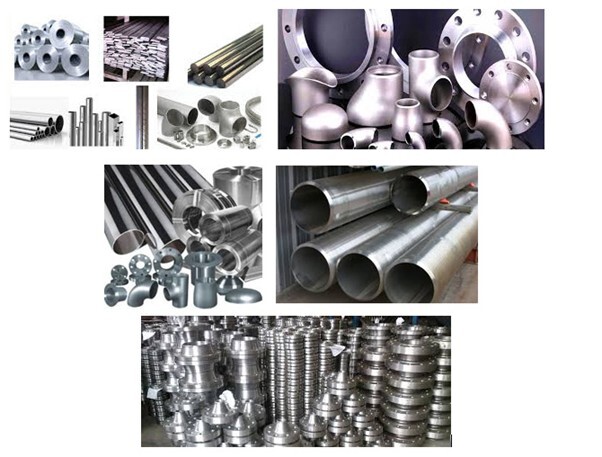
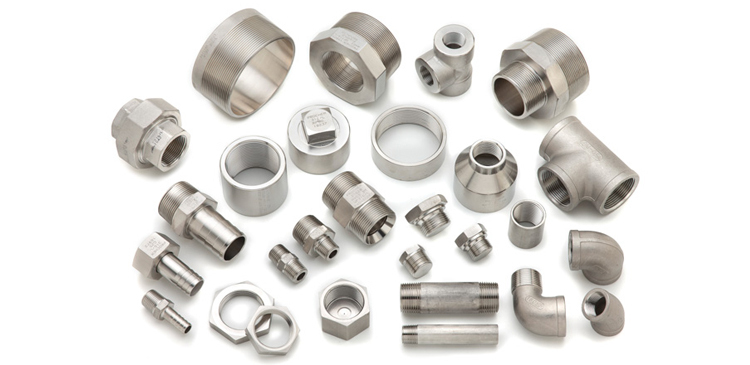
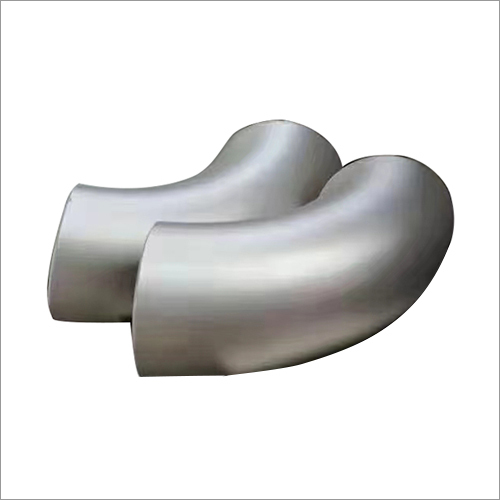
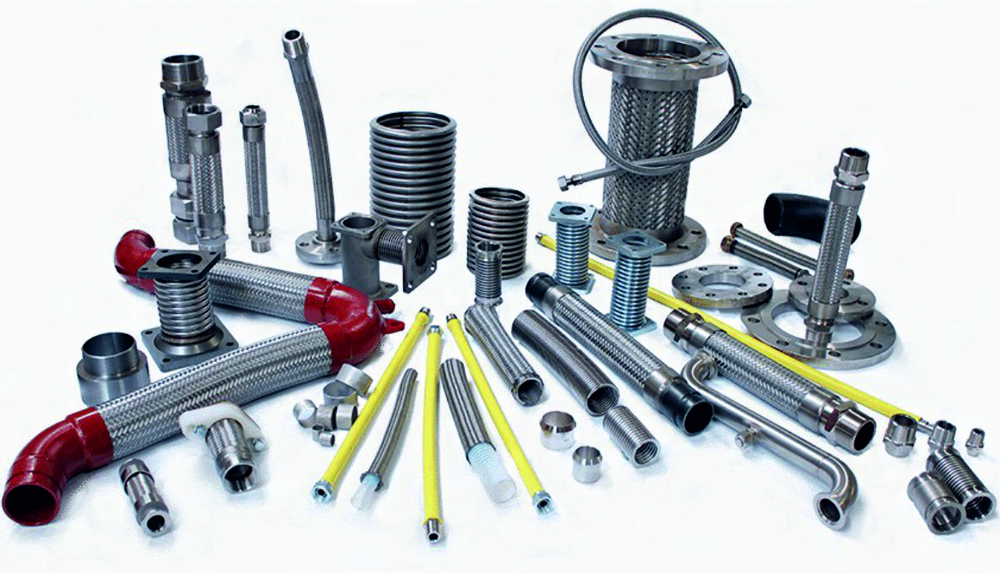
A fitting or adapter is used in pipe systems to connect sections of pipe (designated by nominal size, with greater tolerances of variance) or tube (designated by actual size, with lower tolerance for variance), adapt to different sizes or shapes, and for other purposes such as regulating (or measuring) fluid flow.[1][2] These fittings are used in plumbing to manipulate the conveyance of fluids such as water for potatory, irrigational, sanitary, and refrigerative purposes, gas, petroleum, liquid waste, or any other liquid or gaseous substances required in domestic or commercial environments, within a system of pipes or tubes, connected by various methods, as dictated by the material of which these are made, the material being conveyed, and the particular environmental context in which they will be used, such as soldering, mortaring, caulking, plastic welding, welding, friction fittings, threaded fittings, and compression fittings.
Fittings allow multiple pipes to be connected to cover longer distances, increase or decrease the size of the pipe or tube, or extend a network by branching, and make possible more complex systems than could be achieved with only individual pipes. Valves are specialized fittings that permit regulating the flow of fluid within a plumbing system.
Optimal Resistance and DurabilityConstructed from high-grade UPVC material, these pipes and fittings boast excellent resistance to fire, corrosion, chemicals, and UV exposure. Their robust design ensures longevity, even under demanding operating conditions in water supply and plumbing installations. The smooth, circular construction, combined with precise tolerances, maintains consistent performance and reliability over time.
Effortless Installation and Leak PreventionThese UPVC pipe systems are designed with user-friendly joint mechanisms such as push-fit and solvent weld options, ensuring a simple, efficient, and secure installation process. The inclusion of rubber ring gaskets provides a leak-proof seal, streamlining maintenance, and greatly minimizing the risk of joint failures during operation.
Sustainability and Low MaintenanceOur pipes are not only 100% recyclable-contributing positively to environmental initiatives-but also require very little upkeep due to their chemical stability and non-reactive surfaces. The smooth inner mouth minimises sedimentation, keeping maintenance intervals infrequent and costs minimal over their service life.
FAQ's of Pipes & Fittings:
Q: How can I install UPVC pipes and fittings effectively?
A: These pipes are designed for straightforward installation using either a slip-on push-fit or solvent weld process. Simply clean the pipe and fitting ends, apply solvent cement (if required), and connect for a secure, leak-proof joint. Rubber ring gaskets further ensure tight sealing, making the process both fast and reliable.
Q: What makes these pipes suitable for fire-prone and corrosive environments?
A: Thanks to their self-extinguishing properties and excellent corrosion resistance, these UPVC pipes and fittings perform reliably in environments exposed to fire hazards or aggressive chemicals. The material does not propagate flame and resists damage from acids, alkalis, and UV radiation, providing long-term safety and stability.
Q: When should I choose these pipes for my plumbing project?
A: Select these pipes when you require lightweight, rigid, and durable pipes for water supply, plumbing, or agricultural pipelines. They are ideal for residential, commercial, or agricultural setups, especially where easy installation, low maintenance, and environmental responsibility are essential.
Q: Where are these UPVC pipes and fittings commonly used?
A: Their robust and adaptable design makes them ideal for a variety of uses, including residential water supply lines, commercial plumbing systems, and agricultural irrigation networks across India. Their resistance to water-borne chemicals and UV exposure makes them especially suitable for outdoor and industrial environments.
Q: What maintenance do these pipes require compared to traditional materials?
A: These pipes require very low maintenance due to their ultra-smooth, non-reactive inner surface that discourages sediment buildup and corrosion. Routine inspection is usually sufficient, greatly reducing the long-term operational costs compared to conventional metal piping.
Q: What are the benefits of choosing 100% recyclable UPVC pipes for my project?
A: Opting for 100% recyclable UPVC pipes supports sustainable building and infrastructure practices. This not only reduces your project's environmental footprint but also ensures compliance with modern eco-friendly standards and regulations.





 Send Inquiry


 Send Inquiry